
Home / Yoga styles / Vinyasa Yoga
Yoga style guide
Vinyasa Yoga
Vinyasa yoga is a dynamic, flowing style in which postures are linked together in smooth sequences, with each movement guided by the breath.
Find Vinyasa Yoga teachers1,182 teachers listed
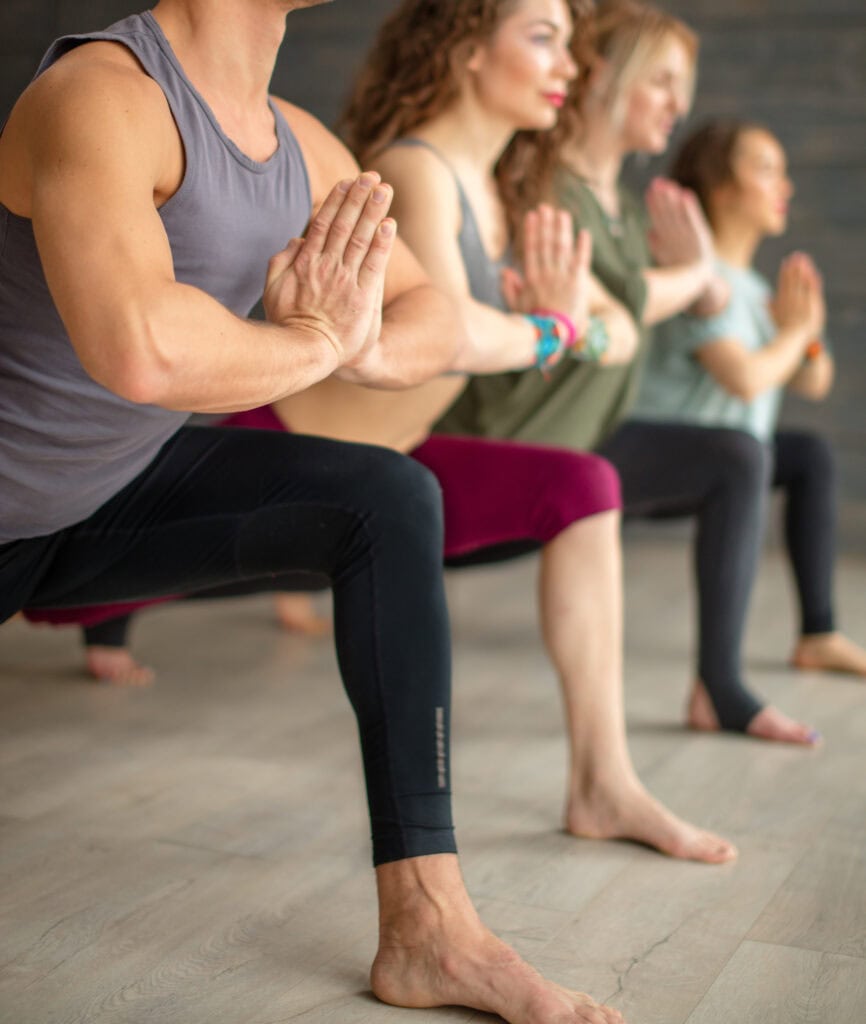
Vinyasa Yoga
Vinyasa yoga is a dynamic, flowing style in which postures are linked together in smooth sequences, with each movement guided by the breath. Rather than holding one pose and then resetting, you move from one shape to the next in a steady rhythm, which is why vinyasa is often called “flow yoga”.
Classes vary a great deal from teacher to teacher. Some are gentle and steady, others are fast, strong and sweaty, but they all share the same idea: breath and movement working together so that the practice starts to feel almost like a moving meditation.
Where Does Vinyasa Yoga Come From?
The word vinyasa comes from Sanskrit and is usually translated as “to place in a special way”. It describes the careful, intentional linking of one posture to the next. The style grew out of the teachings of T. Krishnamacharya in early twentieth century India, whose students went on to develop several of the flowing practices we know today, including Ashtanga.
Modern vinyasa is less fixed than Ashtanga. Instead of following the same series every time, teachers create their own sequences, often building towards a peak pose or a particular theme. This freedom is a big part of its appeal: no two classes need ever be quite the same.
The Aim of Vinyasa Yoga
The heart of vinyasa is the connection between breath and movement. Typically you inhale as you open, lift or lengthen, and exhale as you fold, twist or lower. Keeping that rhythm steady helps the mind settle, builds heat in the body and creates a sense of flow that many people find deeply absorbing.
Alongside the focus on breath, vinyasa builds strength, flexibility and stamina in a balanced way, working the whole body over the course of a class.
What to Typically Expect from a Vinyasa Yoga Class
Most vinyasa classes last between 60 and 75 minutes. They usually begin quietly, with a few minutes of breathing to arrive on the mat, before gradually warming up the body. Sun salutations are a common feature, repeated several times to build heat and rhythm.
The middle of the class tends to be the most active part, with standing poses, lunges, balances and sometimes arm balances or inversions, all linked together. The pace then slows towards the end with seated stretches and twists, before finishing in a final relaxation. Good teachers offer options throughout, so you can make the practice gentler or stronger depending on how you feel.
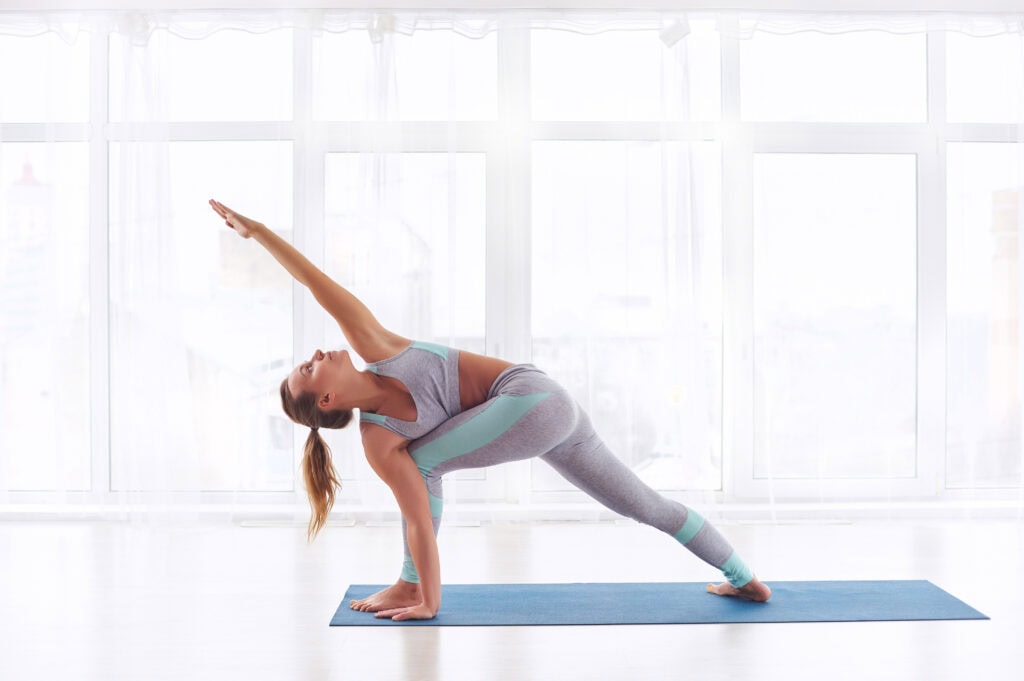
Breaking Down the Class Structure
- Arriving and breath
A few minutes of settling in, often seated or lying down, to connect with an even, steady breath that will guide the rest of the class.
- Warm-up and sun salutations
Gentle movements followed by rounds of sun salutations, which warm the muscles, build heat and establish the rhythm of breath and movement.
- Standing flow
Sequences of standing poses such as warriors, lunges and balances, linked together with transitions so the body keeps moving.
- Cool down
Slower seated poses, forward folds, hip openers and twists to release tension and bring the heart rate down.
- Savasana
A final resting pose lying on your back, giving the body and mind time to absorb the practice before you leave.
Benefits of Vinyasa Yoga
Because it combines movement, strength work and focused breathing, vinyasa offers a wide range of benefits. Many students find that a regular practice helps with:
- Strength and stamina
Moving through linked poses works the whole body and can build both muscular strength and endurance.
- Flexibility and mobility
Flowing in and out of stretches helps to improve range of motion in the hips, spine and shoulders.
- A focused, calmer mind
Following the breath gives the mind something to rest on, which many people find helps them switch off from a busy day.
- Cardiovascular fitness
Faster classes raise the heart rate, giving some of the feel of a gentle workout alongside the yoga.
- Variety
With no fixed sequence, classes stay fresh and interesting, which makes it easier to keep coming back.
Ready to try it?
Find a Vinyasa Yoga teacher
1,182 teachers across the UK list Vinyasa Yoga classes.
See all teachersPopular places

For teachers
Teach Vinyasa Yoga?
List your classes on Yoga Hub so people searching for Vinyasa Yoga near them can find you.