
Home / Yoga styles / Yoga Therapy
Yoga style guide
Yoga Therapy
Yoga therapy is the use of yoga practices to support a person’s individual health and wellbeing.
Find Yoga Therapy teachers254 teachers listed
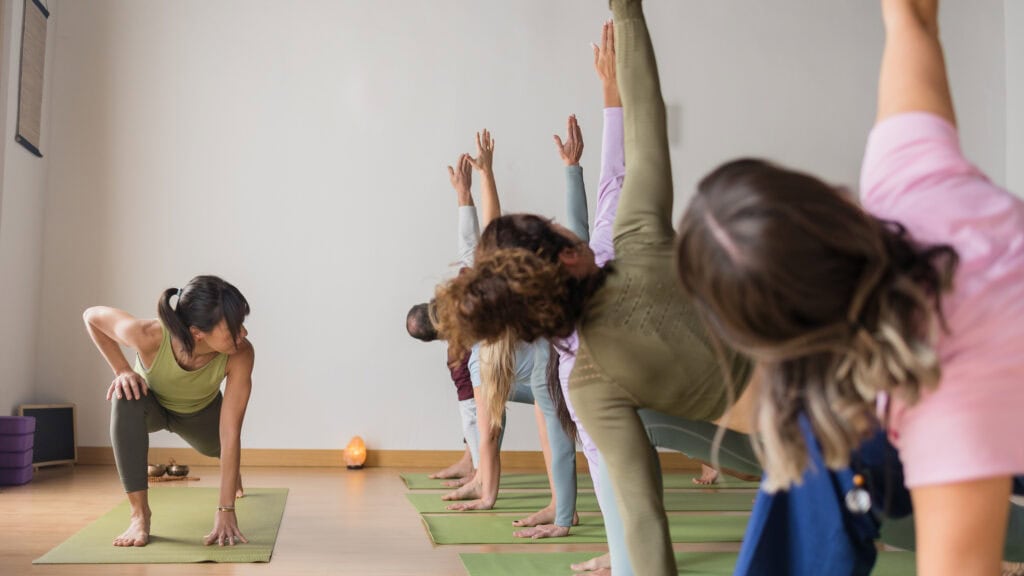
Yoga Therapy
Yoga therapy is the use of yoga practices to support a person’s individual health and wellbeing. Instead of following a set class, a yoga therapist works with you to understand your needs and then designs a practice that is right for you.
Sessions might include gentle movement, breathing, relaxation and meditation, all adapted to your body, your energy levels and any conditions you are living with. It is often offered one to one, or in small specialist groups.
Where Does Yoga Therapy Come From?
The idea of adapting yoga to the individual goes back to traditional teaching, where practices were passed on personally from teacher to student. In the twentieth century teachers such as T. Krishnamacharya and his son T.K.V. Desikachar placed particular emphasis on tailoring yoga to each person’s needs.
Today yoga therapy is a recognised field in its own right. In the UK, yoga therapists usually complete further training beyond a standard teaching qualification, and many are members of professional bodies.
The Aim of Yoga Therapy
The aim is to support you as a whole person. A yoga therapist looks at how you move, breathe and feel, and works with you towards goals that matter to you, whether that is easing stiffness, managing stress, recovering after illness or simply feeling more comfortable in your body.
Yoga therapy is not a replacement for medical care, but it can be a valuable complement to it. Good therapists will always encourage you to keep your GP or healthcare team informed.
What to Typically Expect from a Yoga Therapy Session
Your first session usually starts with a conversation about your health, lifestyle and what you would like to achieve. The therapist may watch how you move and breathe, and ask about any injuries, conditions or medication that might be relevant.
From there they will guide you through a practice designed for you, and often give you a short routine to do at home between sessions. Over time the practice is adjusted as your needs change. Group yoga therapy classes, such as those for back care or long-term conditions, follow a similar approach in a supportive group setting.

Breaking Down a Session
- Assessment
A friendly conversation and gentle observation to understand your needs, goals and any limitations.
- Tailored movement
Carefully chosen postures and movements, often using props or a chair, adapted to what feels right for your body.
- Breathing practices
Simple breathing techniques that can help with energy, calm or ease of movement.
- Relaxation
Guided rest or meditation to help the body and nervous system recover.
- Home practice
A short, personal routine to continue between sessions so you can keep making progress.
Benefits of Yoga Therapy
Because each programme is personal, the benefits depend on what you are working towards. People often come to yoga therapy for support with:
- Back and joint pain
Gentle, targeted movement can help many people move more comfortably.
- Stress and anxiety
Breathing and relaxation practices can help calm the nervous system.
- Recovery and rehabilitation
A tailored practice can support a return to activity after illness, injury or surgery, alongside medical advice.
- Living with long-term conditions
Adapted yoga can help people feel more in control and comfortable day to day.
- Confidence in your body
Working at your own pace, with expert guidance, helps you build trust in what your body can do.
Ready to try it?
Find a Yoga Therapy teacher
254 teachers across the UK list Yoga Therapy classes.
See all teachersPopular places



For teachers
Teach Yoga Therapy?
List your classes on Yoga Hub so people searching for Yoga Therapy near them can find you.