
Home / Yoga styles / Yoga Nidra
Yoga style guide
Yoga Nidra
Yoga nidra, often called “yogic sleep”, is a deeply relaxing guided practice that you do lying down.
Find Yoga Nidra teachers227 teachers listed

Yoga Nidra
Yoga nidra, often called “yogic sleep”, is a deeply relaxing guided practice that you do lying down. The teacher talks you through a series of stages, helping your body and mind move into a state of profound rest while you remain gently aware.
There are no postures to learn and nothing to get right. All you need to do is lie comfortably and listen, which makes yoga nidra one of the most accessible forms of yoga there is.
Where Does Yoga Nidra Come From?
Yoga nidra has roots in ancient tantric and yogic texts, which describe a state between waking and sleeping. The structured practice taught today was developed in the mid twentieth century, most notably by Swami Satyananda Saraswati of the Bihar School of Yoga.
Since then many teachers have created their own versions, and yoga nidra has become a popular practice in yoga studios, wellbeing centres and online classes around the world.
The Aim of Yoga Nidra
The aim of yoga nidra is deep, conscious relaxation. By guiding your awareness through the body, the breath and a series of sensations and images, the practice helps release physical, mental and emotional tension.
Many practices also include a sankalpa, a short positive intention that you repeat to yourself at the beginning and end, planting a seed for the change you would like to see in your life.
What to Typically Expect from a Yoga Nidra Class
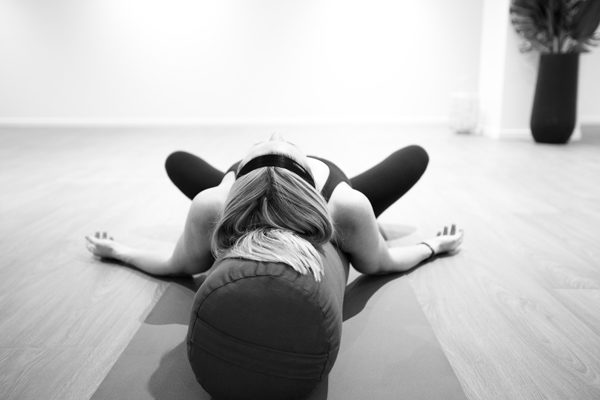
A yoga nidra session usually lasts between 20 and 60 minutes. You will lie on your back on a mat, often with a bolster under your knees, a pillow and a blanket to keep warm. Some classes begin with a few gentle stretches or breathing exercises to help you settle.
The teacher then guides you through the practice in a calm, steady voice. It is perfectly normal to drift in and out, or even fall asleep, and you will still benefit. At the end you are brought back slowly, so you leave feeling refreshed rather than groggy.

Breaking Down the Class Structure
- Settling and intention
Getting comfortable, relaxing the body and, often, choosing a simple sankalpa or intention.
- Body scan
Awareness is guided around the body, part by part, helping each area to soften and relax.
- Breath awareness
Gently observing or counting the breath to deepen the sense of calm.
- Sensations and visualisation
Noticing contrasting sensations, such as warmth and coolness, and sometimes calming images.
- Returning
Repeating the intention and slowly bringing awareness back to the room before sitting up.
Benefits of Yoga Nidra
Because it is so restful, yoga nidra suits almost everyone. People often find that regular practice helps with:
- Deep relaxation
The guided stages help the body move into a state of rest that can feel more restorative than a nap.
- Better sleep
Many people use yoga nidra to unwind before bed or to rest when sleep is difficult.
- Stress and tiredness
Taking regular deep rest can help you feel calmer and more able to cope with busy periods.
- Accessibility
Because it is done lying down, it is suitable for people of all ages, abilities and levels of fitness.
- Clarity and focus
Many people feel more refreshed and clear-headed after a session.
Ready to try it?
Find a Yoga Nidra teacher
227 teachers across the UK list Yoga Nidra classes.
See all teachersPopular places

For teachers
Teach Yoga Nidra?
List your classes on Yoga Hub so people searching for Yoga Nidra near them can find you.