
Home / Yoga styles / Meditation
Yoga style guide
Meditation
Meditation is the practice of training your attention, usually by sitting quietly and focusing on something simple such as the breath, a sound or a phrase.
Find Meditation teachers1,217 teachers listed
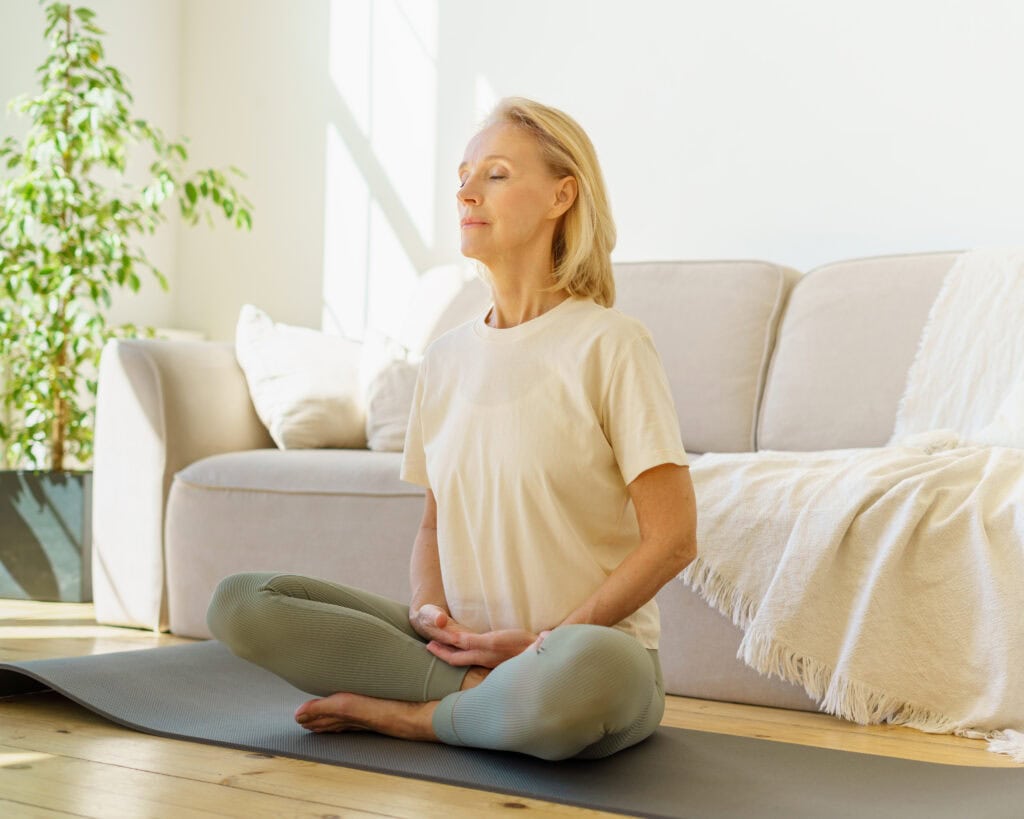
Meditation
Meditation is the practice of training your attention, usually by sitting quietly and focusing on something simple such as the breath, a sound or a phrase. Over time it helps the mind become calmer, clearer and less caught up in constant thinking.
It is an essential part of yoga, but you don’t need to be flexible, spiritual or experienced to begin. Many yoga teachers run dedicated meditation classes, and most yoga classes include a few minutes of stillness, making it easy to start with just a little guidance.
Where Does Meditation Come From?
Meditation has been practised for thousands of years in many cultures and traditions. In yoga it is known as dhyana, one of the eight limbs of yoga described in Patanjali’s Yoga Sutras, where the physical postures were originally intended to prepare the body for sitting comfortably in meditation.
Today meditation is taught in many forms, from traditional mantra and breath-based practices to modern mindfulness courses, and it is widely used alongside yoga to support wellbeing.
The Aim of Meditation
The aim is not to stop thinking, which is a common misconception, but to notice where your attention goes and gently bring it back, again and again. This simple act of returning builds focus and helps you become less reactive to passing thoughts and feelings.
With practice, many people find they feel more grounded and at ease, both during meditation and in everyday life.
What to Typically Expect from a Meditation Class
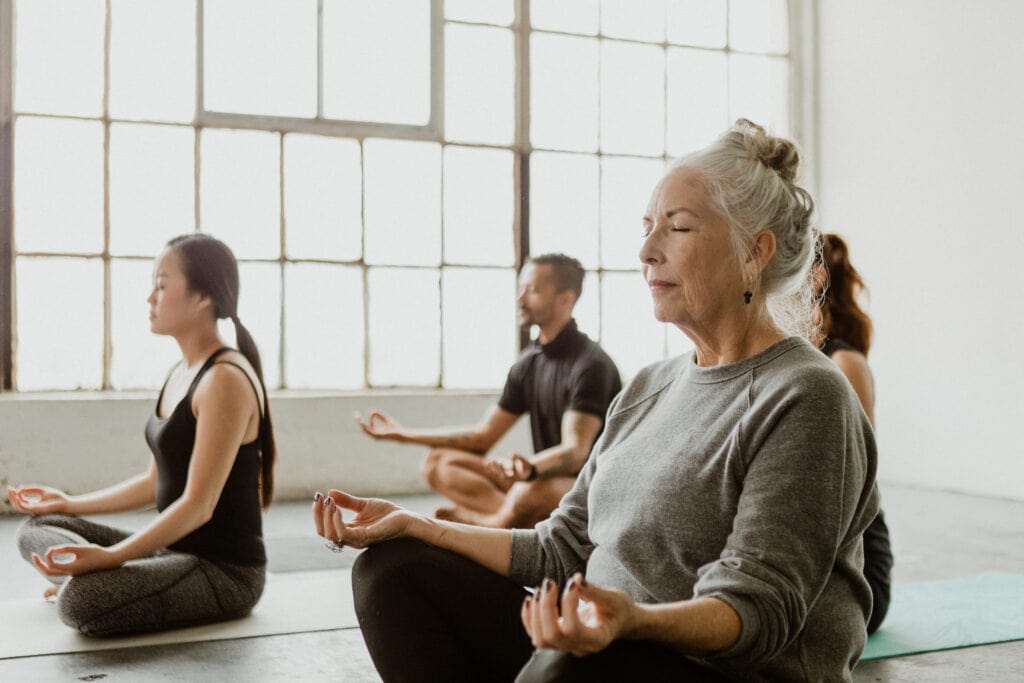
Meditation classes are usually between 30 and 60 minutes long. You will normally sit on a cushion, a meditation stool or a chair, whichever is most comfortable, and some teachers also include lying-down or walking practices. Gentle stretches at the start can help you settle.
Most classes are guided, with the teacher talking you through a technique, followed by a period of quiet practice. There is often time at the end for questions or a short discussion, which can be really helpful when you are new.
Breaking Down the Class Structure
- Arriving
Finding a comfortable seat and taking a few slow breaths to arrive in the room and in the body.
- Guided technique
The teacher introduces a focus, such as the breath, body sensations, a mantra or a visualisation, and explains how to work with it.
- Silent practice
A period of quiet sitting, gently returning your attention whenever the mind wanders.
- Closing
A slow return to the room, often with a few gentle movements and a moment to notice how you feel.
Benefits of Meditation
Meditation is simple, but regular practice can make a real difference. People commonly report that it helps with:
- Reducing stress
Taking time to pause and breathe can help the body and mind move out of “fight or flight” mode.
- Focus and concentration
Repeatedly bringing your attention back strengthens your ability to concentrate.
- Emotional balance
Noticing thoughts and feelings without reacting to them straight away can make challenges easier to handle.
- Better sleep
A calmer mind at the end of the day can make it easier to fall asleep and rest well.
- Self-awareness
Meditation gives you space to get to know your own patterns of thinking and feeling.
Ready to try it?
Find a Meditation teacher
1,217 teachers across the UK list Meditation classes.
See all teachersPopular places
Meditation teachers to try


For teachers
Teach Meditation?
List your classes on Yoga Hub so people searching for Meditation near them can find you.